
Built from frustration, designed for results
We started Orivaxenos because traditional learning leaves too many people equipped with ideas they can't use. Our workshops focus on what actually works when you need to improve your income.

Why we exist
Most people don't need another course. They need practical methods they can implement without restructuring their entire lives. We watched too many programs promise transformation while delivering generic frameworks that fall apart the moment you try to apply them.
Orivaxenos emerged from twelve years of watching businesses struggle with revenue models that looked perfect on paper but never translated into actual income. The gap between what gets taught and what actually functions in real conditions became impossible to ignore.
We built this platform around a simple observation: people learn income optimization by doing it, not by absorbing theory. Every workshop we run starts with specific scenarios drawn from actual business situations. Participants work through problems that mirror what they'll face when they close their laptops and go back to work.
The assignments are designed to be uncomfortable. They force decisions, require judgment calls, and simulate the pressure of real stakes. We eliminated the safety net of hypothetical exercises because learning happens when something genuine is at risk, even if that risk is just looking foolish in front of peers.
What guides us
- Workshops focus on skills you can use next week, not concepts you might apply someday. Every session includes actions participants take before the next meeting.
- We structure learning around failure points we've seen repeatedly in businesses. Understanding where strategies break down matters more than memorizing when they succeed.
- Collaborative tools exist because income optimization requires feedback from people who see your blind spots. Working alone guarantees you'll miss obvious errors.
- Remote access means participants join from different economic contexts. That diversity creates better discussions than any curated case study could provide.
- We test everything in actual conditions before teaching it. If a method hasn't survived contact with real constraints, it doesn't make it into our curriculum.
Who built this
Two people who got tired of watching practical knowledge get ignored in favor of theory that sounds impressive but doesn't survive implementation.
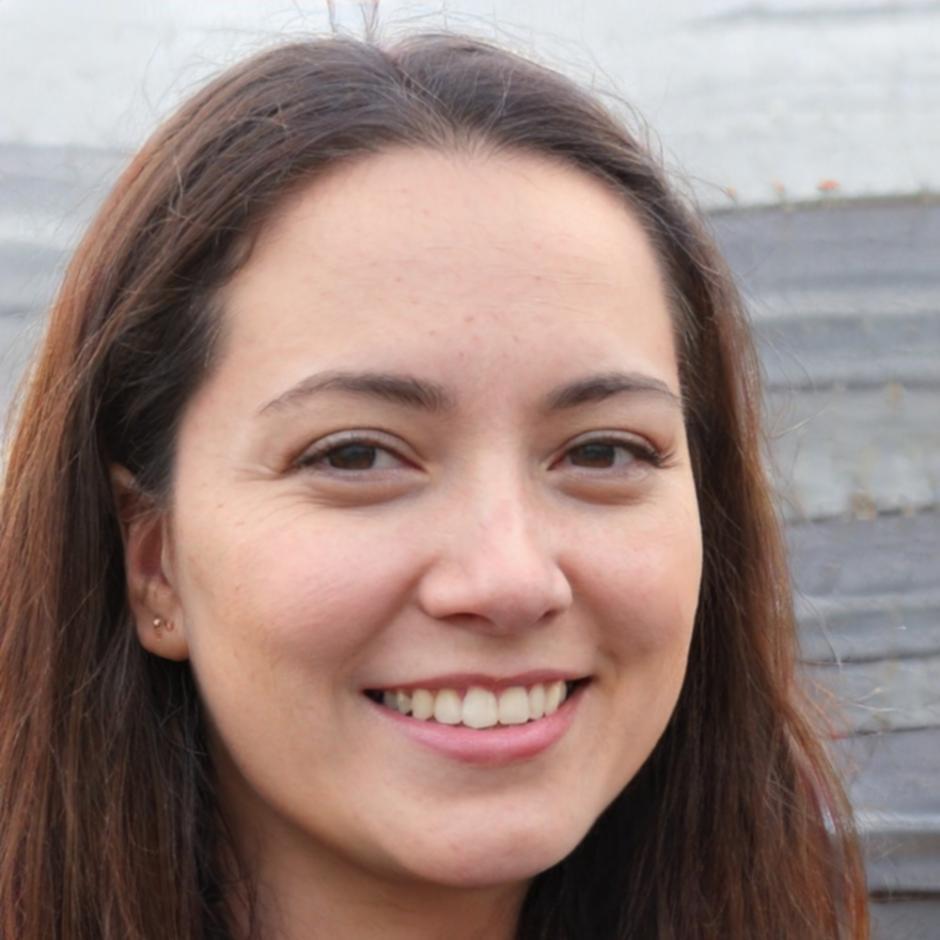
Eloise Thatcher
Co-Founder & Strategy Director
Spent twelve years working with mid-sized companies on revenue models before realizing most practical knowledge never makes it to traditional education. Built the first version of our workshop structure by stripping out everything that didn't directly lead to better decision-making under real conditions.
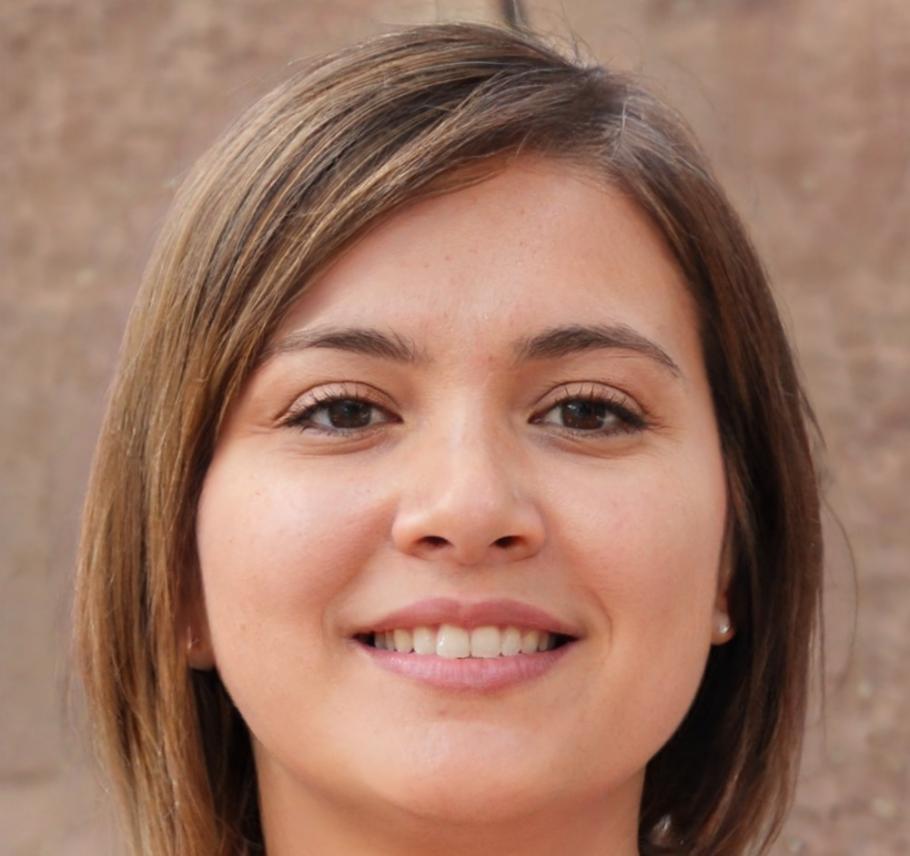
Siobhan Varga
Co-Founder & Learning Design Lead
Former corporate trainer who grew frustrated watching people learn theory they couldn't apply and decided to rebuild learning around real application. Designed the assignment system that forces participants to work through actual problems rather than complete artificial exercises.
How our method works
We run workshops that prioritize skill application over content consumption. Participants don't just learn strategies, they execute them under conditions similar to what they'll face in their own work.
Diagnostic phase
We start by identifying where participants actually struggle with income optimization, not where they think they need help. This usually reveals gaps between what people believe holds them back and what actually limits their results.
Skill building
Participants work through step-by-step assignments built around real scenarios. Each exercise exposes specific decision points where income optimization succeeds or fails. We focus on developing judgment, not memorizing frameworks.
Application testing
Every participant implements methods in their actual context and reports what happened. This creates a feedback loop where we see which strategies survive contact with real constraints and which fall apart under pressure.